
The Digivrat Data Collection
In today’s digital environment, businesses rely heavily on accurate and well‑structured data to guide decision‑making, improve operations, and understand customer behavior. However, many organisations still collect information through scattered forms, spreadsheets, emails, or manual entry processes. This often results in inconsistent data, inefficiencies, and missed insights.
At Digivrat, our Data Collection & Form Systems solutions help organisations design intelligent digital forms and automated data collection workflows. These systems capture structured information, integrate with business platforms such as CRM or analytics tools, and convert raw inputs into actionable insights.
Our goal is to help businesses move from fragmented data collection methods to centralized, automated information systems that improve accuracy, efficiency, and reporting.

Data Collection Workflow
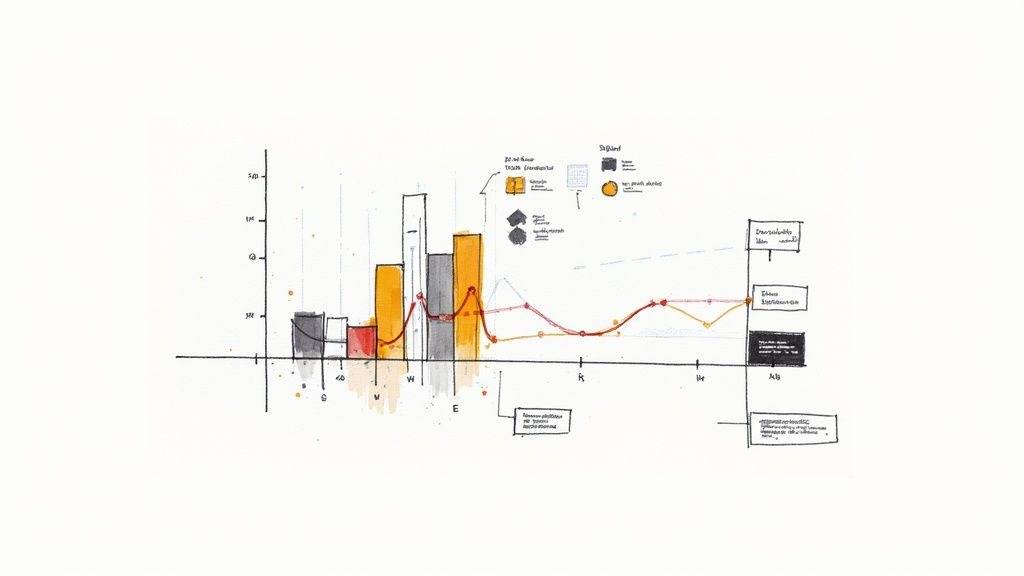
Modern digital form systems create a streamlined pipeline—from collecting information to transforming it into useful insights.

What Our Systems Enable
Our data collection solutions help organisations gather and manage information efficiently across different channels:
- Digital Forms & Surveys – Structured forms for customer inquiries, feedback, and research
- Lead Capture Systems – Forms integrated with websites and marketing campaigns
- Operational Data Collection – Tools for field data, internal reporting, or compliance documentation
- Customer Feedback Platforms – Systems to capture user experience insights
- Workflow‑Based Form Systems – Forms that trigger approvals, notifications, or automated processes
These systems ensure that data is captured accurately, consistently, and in a structured format.
Core System Capabilities
| Capability | What It Enables | Business Value |
|---|---|---|
| Dynamic Form Builders | Create customizable digital forms for multiple use cases | Flexible data collection |
| Automated Data Processing | Automatically store and organize submitted information | Reduced manual effort |
| System Integration | Connect forms with CRM, databases, or analytics tools | Seamless data flow |
| Real‑Time Dashboards | Visual reports generated from collected data | Faster decision‑making |
| Secure Data Management | Controlled access and secure storage of data | Data reliability and compliance |
Benefits for Organizations
Implementing structured data collection systems offers several advantages:
- Improved accuracy and reliability of collected information
- Faster access to insights through automated reporting dashboards
- Reduced administrative workload through automated data capture
- Better understanding of customer behavior and operational performance
- Integration with CRM, analytics, and business intelligence systems
With the right data collection framework, organisations can convert scattered inputs into structured intelligence that supports strategic decision‑making.


Our Implementation Approach
At Digivrat, we follow a structured approach to building efficient form and data collection systems.
- Identify Requirements – Understand what information needs to be collected and how it will be used
- Design Form Architecture – Create intuitive digital forms and structured workflows
- Integrate Platforms – Connect forms with CRM, databases, and analytics tools
- Automate Data Processing – Enable automated validation, storage, and reporting
- Analyse Insights – Transform collected data into dashboards and actionable insights
Who This Solution Supports
Our Data Collection & Form Systems are valuable for organisations such as:
- Businesses managing customer inquiries and lead capture
- Companies conducting market research and surveys
- Field teams collecting operational or compliance data
- Enterprises tracking internal performance metrics
- NGOs and institutions monitoring program impact and reporting
By combining smart form design, automation workflows, and analytics integration, Digivrat helps organisations build reliable data collection systems that transform everyday inputs into powerful insights for smarter business decisions.